Dunnage
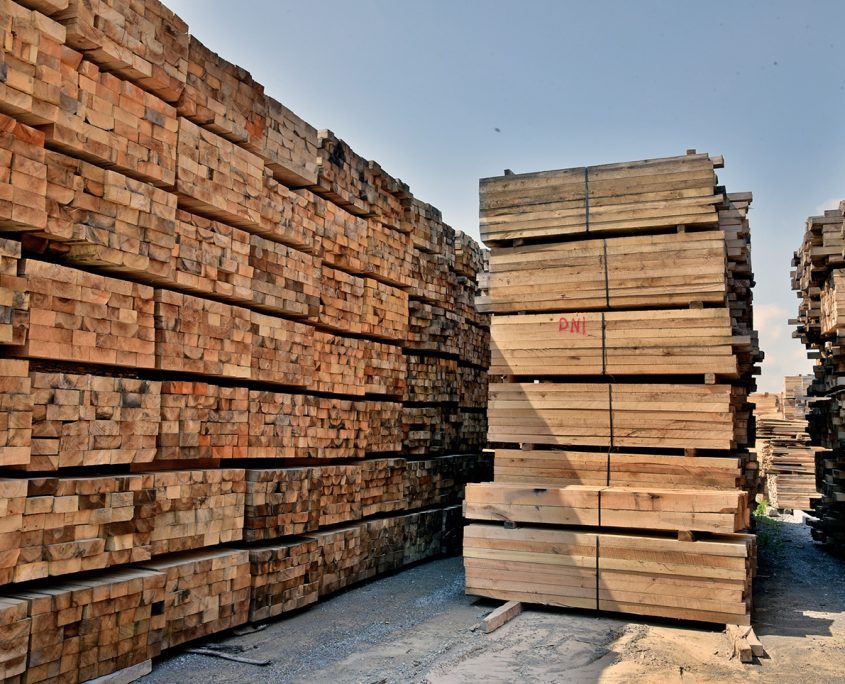
Optimizing Industrial Supply Chains with High-Performance Dunnage Solutions
In the world of industrial manufacturing, logistics, and distribution, the safe movement and storage of materials is mission-critical. Whether transporting components across the plant floor or shipping finished goods across the country, companies rely on dunnage to protect products, streamline handling, and reduce costs. As supply chains grow more complex and quality standards tighten, investing in the right dunnage solutions has become more important than ever.
What Is Dunnage—and Why It Matters
Dunnage refers to the protective materials placed around goods during storage or transport. Its purpose is simple: prevent damage, stabilize loads, and ensure that every product arrives exactly as intended. From heavy-duty industrial components to delicate assemblies, dunnage is the unseen support system that preserves quality and reduces operational risk.
Common forms include:
Wood blocking and bracing
Custom pallets
Plastic or steel packaging inserts
Corrugated, foam, and engineered supports
Returnable and expendable packaging systems
Regardless of material type, the right dunnage solution enhances workflow efficiency while safeguarding valuable inventory.
The Benefits of Quality Dunnage in Industrial Operations
1. Enhanced Product Protection
Dunnage acts as the front line of defense against:
Impact and vibration
Shifting during transit
Stacking pressure
Abrasion and surface damage
Properly engineered dunnage significantly reduces product defects and warranty claims, contributing to a more reliable supply chain.
2. Cost Savings Across the Supply Chain
Effective dunnage helps organizations cut costs by:
Reducing product damage and scrap
Improving load density and transportation efficiency
Supporting reusable systems that lower long-term packaging expenses
Minimizing downtime caused by mishandled materials
The right design provides both immediate and long-term financial benefits.
3. Improvements in Handling and Workflow
Industrial environments depend on speed and precision. Custom dunnage can be designed to:
Integrate seamlessly with automation
Fit specific parts or assemblies
Enhance stackability and organization
Standardize handling across facilities
Better workflow translates directly into increased productivity and worker safety.
4. Environmentally Responsible Solutions
Sustainability is becoming a core requirement across industrial sectors. Modern dunnage solutions support environmental goals through:
Reusable packaging systems
Recyclable materials
Reduced waste in transit
Lighter weight designs that lower transportation emissions
Companies can protect their products while also protecting the environment.
Industries That Rely on High-Quality Dunnage
Dunnage plays an essential role across a wide range of industries, including:
Automotive: Protecting high-value components such as body panels, interior parts, and precision assemblies
Aerospace: Ensuring delicate or high-tolerance parts remain defect-free
Manufacturing: Supporting efficient material flow and inventory control
Logistics & Warehousing: Stabilizing loads for long-distance or multimodal transport
Construction: Securing heavy materials, pipe, lumber, or equipment
Each sector requires dunnage engineered for its unique challenges and load requirements.
Custom Dunnage: Designed for Performance
The most effective dunnage solutions are engineered to fit the product—not the other way around. Manufacturers often collaborate with customers to design systems that feature:
Precision-cut blocking and bracing
Durable wood, steel, or composite structures
Molded or fabricated plastic inserts
Foam or corrugated components
Returnable packaging optimized for repeated use
This tailored approach ensures maximum protection, efficiency, and value.
A Critical Component of Modern Industrial Packaging
In an era where logistics performance directly impacts profitability and customer satisfaction, dunnage is far more than just packaging. It’s a strategic investment in product integrity, operational efficiency, and long-term cost reduction.
From rugged wood blocking to highly engineered returnable systems, dunnage remains a vital tool for protecting assets and optimizing supply chains across every industrial sector.


Comments